

Smart Automation for Luxury Homes and Hotels in London and Geneva
A beautiful property can still feel awkward if the technology gets in the way. Lights that need five switches, heating that fights the weather, blinds that close at the wrong time, music that works in one room but not another, these are the small faults people notice every day.
Smart automation solves that only when it is designed around real life. In a private home, that means comfort, privacy and reliability. In a hotel, it means a guest can walk into a room and understand it in seconds. In a luxury residence, it means the technology disappears into the architecture.
That is where IntelliCasa stands out. The best work in this field is not about adding gadgets. It is about bringing lighting, climate, shading, audio, security and control together so the whole property feels calm, responsive and easy to live in.
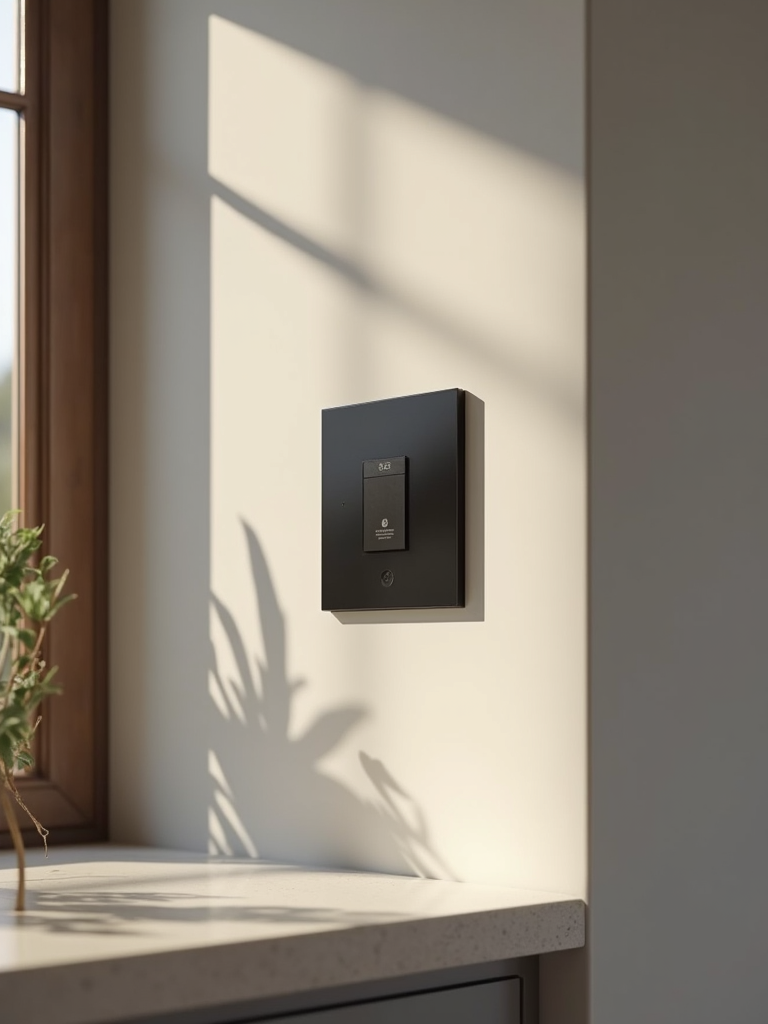
Luxury smart automation should feel effortless
The mark of a well-automated property is not the number of devices connected to it. It is the feeling that everything works as expected.
A hallway lights gently at night without waking the household. A bedroom cools before arrival on a warm evening. Blinds lower to protect artwork from strong afternoon sun. A hotel suite welcomes a guest with comfortable lighting, a steady temperature and simple controls beside the bed.
Good automation allows people to stop thinking about the system. That takes careful planning.
For high-end homes and hotels, IntelliCasa’s role is to connect the technical design with the way each space is used. A formal reception room does not need the same scenes as a family kitchen. A penthouse does not behave like a townhouse. A hotel bedroom needs different controls from a spa suite or private dining room.
The most successful systems start with questions such as:
How does the property feel in the morning, afternoon and evening?
Which rooms need privacy at specific times?
Where should technology be visible, and where should it vanish?
Who needs access to the system, and how much control should they have?
What should happen automatically, and what should remain manual?
This is the difference between installing devices and designing an experience. A smart home can be impressive for a week. A well-designed automated property remains useful for years.
What IntelliCasa brings together
Smart automation for luxury homes and hotels in London and Geneva usually involves many separate systems. Lighting, heating, curtains, cinema rooms, access control, CCTV, Wi-Fi, audio, lifts, gates and intercoms may all come from different manufacturers. Left alone, each works in isolation. The result can feel fragmented.
IntelliCasa’s strength lies in making these systems act as one.
A single scene can adjust light levels, close blinds, set the temperature, start music and prepare a room for dinner. A hotel room can shift from arrival mode to sleep mode without a guest learning a complicated panel. A residence can respond differently when owners, guests, staff or security teams use it.
The aim is not to force every feature into one app. The aim is to give each person the right control at the right moment.
For private homes
For hotels
For luxury residences
Comfort, privacy, entertainment, security and daily routines matter most.
Guest simplicity, room consistency, energy control and reliable operation matter most.
Discretion, architectural detail, staff access and long-term service matter most.
This work often includes several layers.
Lighting control
Lighting sets the mood of a property more than almost any other system. Automated scenes make it easy to move between breakfast, evening drinks, cleaning, entertaining and night-time use. In luxury interiors, the control points should match the finishes, sit in the right places and avoid cluttering walls.
Climate and shading
London and Geneva both have homes where weather, glazing and insulation vary widely. Large glass elevations can gain heat fast. Older buildings may need more careful zoning. Automated blinds, curtains, underfloor heating, air conditioning and ventilation can work together so comfort feels steady rather than reactive.
Entertainment and media
A media room, hidden television, multi-room audio system or private cinema should feel simple to use. The best setup lets people choose what they want without thinking about sources, inputs or amplifiers. In hotels, the same principle applies, but simplicity becomes even more important.
Security and access
Automation can connect alarms, cameras, gates, door entry and presence simulation. The design must respect privacy and avoid overcomplication. Owners and operators need confidence, not constant notifications.
Network and infrastructure
None of this works well without a strong network. Wi-Fi, cabling, racks, power, remote support and future access all matter. A luxury system depends as much on what sits behind the walls as on what appears on a touchscreen.

London homes need discretion, flexibility and strong infrastructure
London properties are rarely simple. A project might involve a listed townhouse, a lateral apartment, a new-build penthouse, a mews house or a large family residence behind a historic façade. Each brings its own technical and design constraints.
In many London homes, the real challenge is to add high-performance technology without disturbing the character of the building. That can mean careful cable routes, sensitive placement of speakers, quiet plant control and controls that suit the interior scheme.
Space is often at a premium. Equipment racks, network hardware and control modules need to be positioned for access and cooling without taking over valuable rooms. In vertical townhouses, Wi-Fi and control signals need proper planning from lower-ground floors to top-level bedrooms. In apartments, building rules and shared services may affect what can be installed.
This is where early design makes a clear difference. When automation is planned before final finishes, the results look cleaner and perform better. Keypads align with joinery. Sensors sit where they work without becoming visual noise. Curtains and blinds integrate with pockets and tracks. Speakers suit the room volume and expected use.
A London smart residence often benefits from:
Scene-based lighting for entertaining, family life and quiet evenings
Automated shading for privacy and solar control
Zoned heating and cooling for varied room use
Strong Wi-Fi across thick walls and multiple floors
Integrated entry, gate or concierge communication
Remote support for faster fault checks and system updates
The result should never feel like a showroom. It should feel like the property understands its occupants.
Hotels need comfort that guests understand at once
Hotel automation has a different standard. A private owner can learn a custom system over time. A hotel guest should not have to learn anything.
The room must explain itself. Lights should be where people expect them. Bedside controls should be clear in the dark. Climate should respond without noise or delay. Curtains should open and close without confusion. If a guest needs to call reception to work the lights, the system has failed.
For hotels in London and Geneva, automation can support both guest experience and operations. Arrival scenes can prepare a room before check-in. Occupancy sensing can reduce waste when a room is empty. Housekeeping modes can help staff work efficiently. Maintenance teams can identify faults faster when rooms report problems clearly.
The best hotel systems feel consistent across room types while still allowing a sense of luxury. A standard room, suite and penthouse may have different features, but the logic should feel familiar.
Key uses include:
Welcome scenes when a guest enters the room
Simple bedside control for lighting, curtains and temperature
Bathroom night lighting that avoids harsh brightness
Occupancy-based energy control
Staff modes for cleaning and maintenance
Clear integration with the wider building systems where needed
Reliability matters more in hotels because small faults repeat at scale. One unclear keypad becomes hundreds of guest questions. One unstable network affects bookings, entertainment, payment systems and staff response. A good automation partner thinks beyond the room and considers the building as a working environment.

Geneva residences call for precision, privacy and calm
Geneva luxury residences often place a high value on privacy, order and quiet comfort. Properties may include lake-facing apartments, villas, diplomatic residences or second homes used at specific times of year. The automation has to support a lifestyle that may shift between daily living, hosting guests and periods when the property is unoccupied.
For these homes, remote visibility can be useful, but it must be handled with care. Owners may want to check heating, security, access or water alerts while away. Staff may need limited control without full system access. Guests may need simple room functions without seeing private settings.
Good permissions design matters. Not everyone should have the same control. A family member, house manager, guest, concierge or maintenance technician may each need a different level of access.
Climate also plays a role. Seasonal changes can affect heating, shading, humidity and ventilation. When a residence is empty, the system can maintain safe baseline conditions. Before arrival, it can prepare key rooms so the home feels ready rather than dormant.
In high-end Geneva properties, automation often supports:
Discreet security and controlled access
Presence simulation while the residence is empty
Climate preparation before arrival
Protection of interiors from sunlight through automated shading
Simple guest controls in bedrooms and shared spaces
Monitoring alerts for key building systems
The common thread is restraint. The system should never feel intrusive. It should protect the property, support the people using it and preserve the quiet quality of the space.
Long-term service is part of the design
A smart automation system is not finished when the last keypad is installed. Homes evolve. Hotels refurbish rooms. Owners change routines. New devices appear. Staff teams need training. A reliable system needs documentation, support and a design that can be maintained.
This is where a serious automation partner separates itself from a basic installer. The hidden work matters.
Clear documentation helps future engineers understand the system. Sensible rack layouts make servicing easier. Labelling saves time during maintenance. Remote access, when set up securely, can allow checks without an immediate site visit. Spare capacity in cabling, rack space and network design can make future changes less disruptive.
For luxury properties, service should also respect the environment. Engineers may need to work around guests, residents, interior finishes and security procedures. That requires care as much as technical skill.
A good long-term approach includes:
A clear brief before design begins
Coordination with architects, interior designers, M&E consultants and contractors
Careful commissioning before handover
Simple user training for owners, guests or staff
Ongoing support after occupation
Planned reviews as the property’s needs change
Automation should age well. The best systems can be adjusted without tearing apart the property. They remain understandable to the people who use them and serviceable by the people who maintain them.

Smart automation works best when it feels personal, discreet and dependable. For homes, hotels and luxury residences in London and Geneva, IntelliCasa’s value lies in joining complex systems into simple experiences. The lights, climate, shading, entertainment and security should not compete for attention. They should work together in the background, making each space easier to enjoy, manage and protect.
The real measure of success is simple: the property feels better to live in, better to stay in and easier to look after.


